


You’ve done your research. You know what you want – maybe it’s a rhinoplasty that finally balances your profile, a breast augmentation you’ve thought about for years, or a body contouring procedure that diet and exercise just can’t touch. But somewhere between “yes, I want this” and booking a consultation, a quiet fear creeps in: What about the anesthesia?
The good news is that a growing number of plastic surgery procedures can now be performed while you’re awake and comfortable, using local anesthesia or a light sedative.
At Aspira Plastic Surgery, awake procedures are changing the experience of cosmetic surgery for the better – and for a lot of patients, they’re the smarter choice.
Awake plastic surgery means your surgeon numbs the treatment area with a local anesthetic, sometimes combined with a mild oral or IV sedative to keep you relaxed. You’re conscious, but comfortable. You feel no pain. You can breathe on your own, respond to your surgeon, and walk out of the procedure room on your own two feet afterward.
This isn’t a new or experimental concept. Dentists have been performing pain-free procedures on awake patients for decades. What is newer is how widely refined techniques – like tumescent anesthesia and WALANT (Wide Awake Local Anesthesia No Tourniquet) – have expanded the range of procedures that can be done this way, safely and effectively.
General anesthesia is a medical marvel, and for complex surgeries, it’s absolutely necessary. But it comes with a real list of side effects and risks that many patients don’t fully consider until they’re reading the consent forms the night before their procedure.
Common side effects include:
On top of that, general anesthesia requires a certified anesthesiologist, a fully equipped surgical facility, and a longer recovery window – all of which add cost and complexity to your procedure. When a procedure can be done just as well without it, skipping general anesthesia isn’t cutting corners. It’s simply the better option.
Without general anesthesia in your system, your body doesn’t have to spend energy metabolizing it. Most patients who undergo awake procedures feel alert within minutes of finishing. There’s no extended time in a recovery room waiting to “wake up,” no one driving you home hours later while you drift in and out. Many patients are back to light activity the same day and return to work within a day or two, depending on the procedure.
Here’s what awake surgery removes from the equation:
For healthy patients, these risks are already low under general anesthesia – but with awake procedures, they’re further reduced. For patients with certain medical conditions like mild heart issues, respiratory concerns, or a history of adverse anesthesia reactions, awake surgery isn’t just preferable. It may be the only truly safe option.
One thing patients consistently say after awake procedures: they felt calm, informed, and involved. You can ask your surgeon questions during the procedure. You can hear what’s happening and understand it. That transparency is reassuring in a way that waking up groggy in a recovery room simply isn’t.
There’s also a practical advantage here – particularly for procedures like rhinoplasty or facelifts where surgeon-patient communication matters. Your surgeon can ask you to look in a specific direction or confirm symmetry in real time. That level of interaction can actually improve surgical precision.
General anesthesia adds significant cost to a procedure – not just the anesthesiologist’s fees, but also the facility fees associated with a fully accredited surgical suite. Awake procedures can often be performed in a well-equipped clinic setting rather than a hospital operating room, which means the overall cost of your surgery comes down.
Same results. Less overhead. That’s a meaningful benefit.
More than most people realize. Awake techniques are used for a wide range of procedures, including:
Not every procedure is a candidate for an awake approach, and not every patient is the right fit. Your surgeon will review your health history, the complexity of the surgery, and your personal comfort level before recommending which anesthesia option is right for you.
Let’s be honest – “awake surgery” can sound unsettling at first. Images of being fully alert on an operating table aren’t exactly comforting. But the reality is quite different.
With modern local anesthetics and light sedation when appropriate, the procedure feels much closer to sitting in a comfortable dentist’s chair than anything dramatic. You may feel mild pressure or movement, but no pain. Many patients listen to music, chat with the team, or simply rest with their eyes closed. The anxiety most people expect? It tends to dissolve pretty quickly once the procedure begins and they realize how manageable the experience actually is.
If you’ve been hesitant about cosmetic surgery because of concerns about going under general anesthesia – the risks, the recovery, the cost, the loss of control – awake plastic surgery deserves a serious look. It won’t be the right fit for every procedure or every patient, but for many people, it closes the gap between “thinking about it” and actually doing it.
At Aspira Plastic Surgery, our goal is to give you results you love through an experience that feels safe, supported, and right for your life. If you’re curious about whether your procedure can be performed awake, the best next step is a consultation with our surgeon. We’ll walk through your goals, your options, and exactly what to expect – so you can make a confident, informed decision.
Ready to explore your options? Contact Aspira Plastic Surgery today to schedule your consultation.
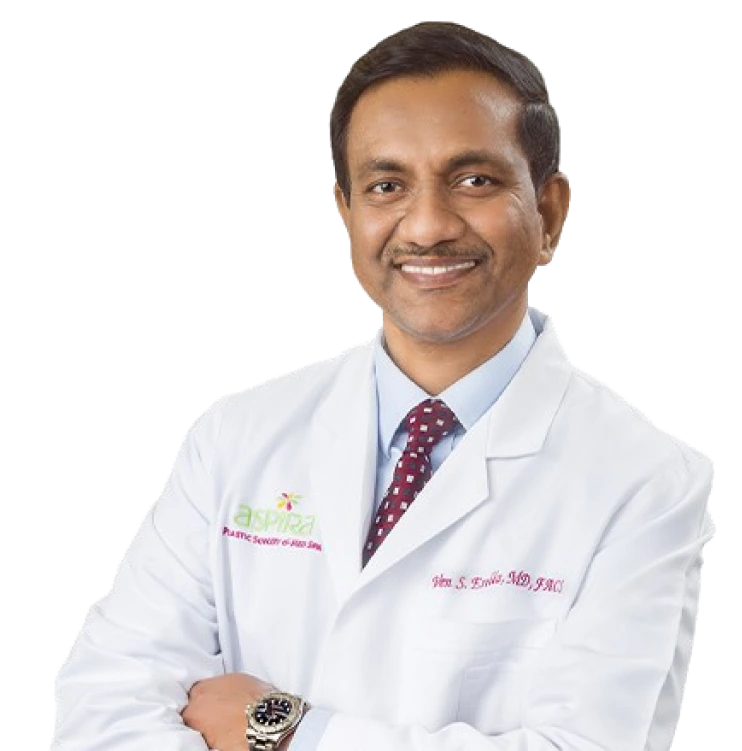
With over 25 years of experience, Dr. Erella, a board-certified plastic surgeon, believes that highly personalized care is the key to giving his patients the best experience from beginning to end.