

Gynecomastia
in Austin, TX

Table of contents
MEET DR. ERELLA
Dr. Venkata Erella is one of the most trusted gynecomastia surgeons in the Lakeway, Bee Cave, and Austin region of Texas. He offers state-of-the-art treatment options for gynecomastia, including excision and SmartLipo, which helps to remove the fat and tighten the skin. Dr. Erella is a board-certified plastic surgeon committed to providing personalized care and tailoring treatment plans to meet each patient’s unique aesthetic goals.









What Is Gynecomastia?
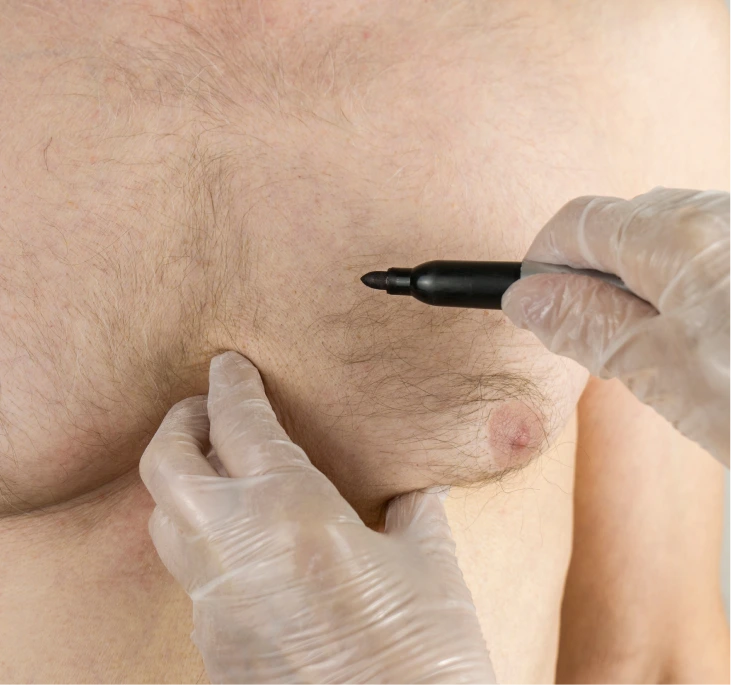
Gynecomastia is a medical condition characterized by the enlargement of male breast glandular tissue, affecting one or both breasts, sometimes in an uneven manner. It is also often associated with fatty deposits. While it’s commonly associated with an imbalance between estrogen and testosterone levels, gynecomastia can also result from various other factors. These include certain medications, hormonal changes during puberty or aging, and health conditions affecting hormonal balance.
Difference Between Gynecomastia and Normal Fat Accumulation
The key difference between gynecomastia and normal fat accumulation – also called pseudo-gynecomastia – in males lies in the tissue composition.
- Gynecomastia is characterized by an increase in glandular tissue, not merely fat, resulting in breast enlargement. This glandular tissue is typically firm, concentrated, and palpable under the nipple and areola area. It differs from the softer, more diffuse fat deposits seen in overweight individuals, which lack this firm glandular component.
Distinguishing between these conditions is crucial because their treatment approaches differ significantly. While fat accumulation can often be managed with lifestyle modifications like diet and exercise, gynecomastia may require medical evaluation. Occasionally, gynecomastia resolves on its own, particularly in adolescents; persistent or uncomfortable cases warrant medical attention to investigate underlying causes and explore effective treatment options.
Grades of Gynecomastia
Gynecomastia is commonly classified into four distinct grades. Each grade reflects differences in breast tissue enlargement, skin excess, and sagging. Identifying your grade helps guide the most effective treatment plan for a natural, masculine result.
Grade I: Mild Enlargement
- Small amount of glandular tissue without excess skin
- Chest may appear slightly puffy or firm behind the nipple
- Usually treated with liposuction or minimal excision
Grade II: Moderate Enlargement without Skin Excess
- Noticeable increase in breast tissue across the chest
- No significant sagging or skin excess
- May require a combination of liposuction and glandular excision
Grade III: Moderate Enlargement with Skin Excess
- Enlarged chest with visible feminization and stretched skin
- Skin may begin to sag, especially with weight loss or aging
- Surgery often includes tissue removal and skin tightening
Grade IV: Severe Enlargement with Significant Skin Excess
- Chest appears similar to a female breast, with pronounced sagging
- Excess skin, stretched areolas, and downward-pointing nipples
- Requires comprehensive surgical correction, often with nipple repositioning
Signs of Gynecomastia
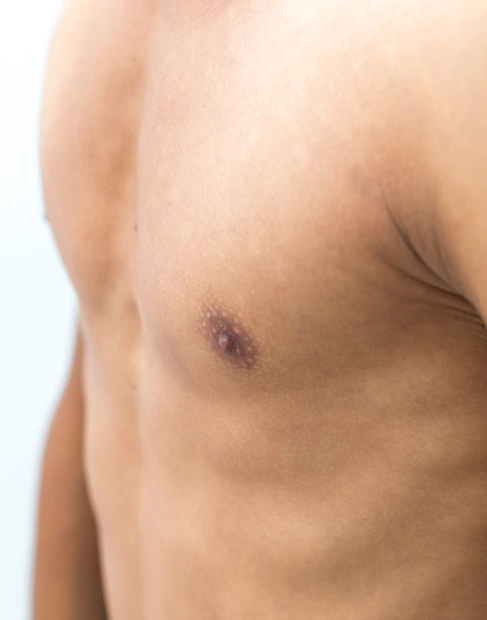
Breast Enlargement
Firm Tissue Under Nipple
Breast Tenderness
Changes in Nipple Appearance
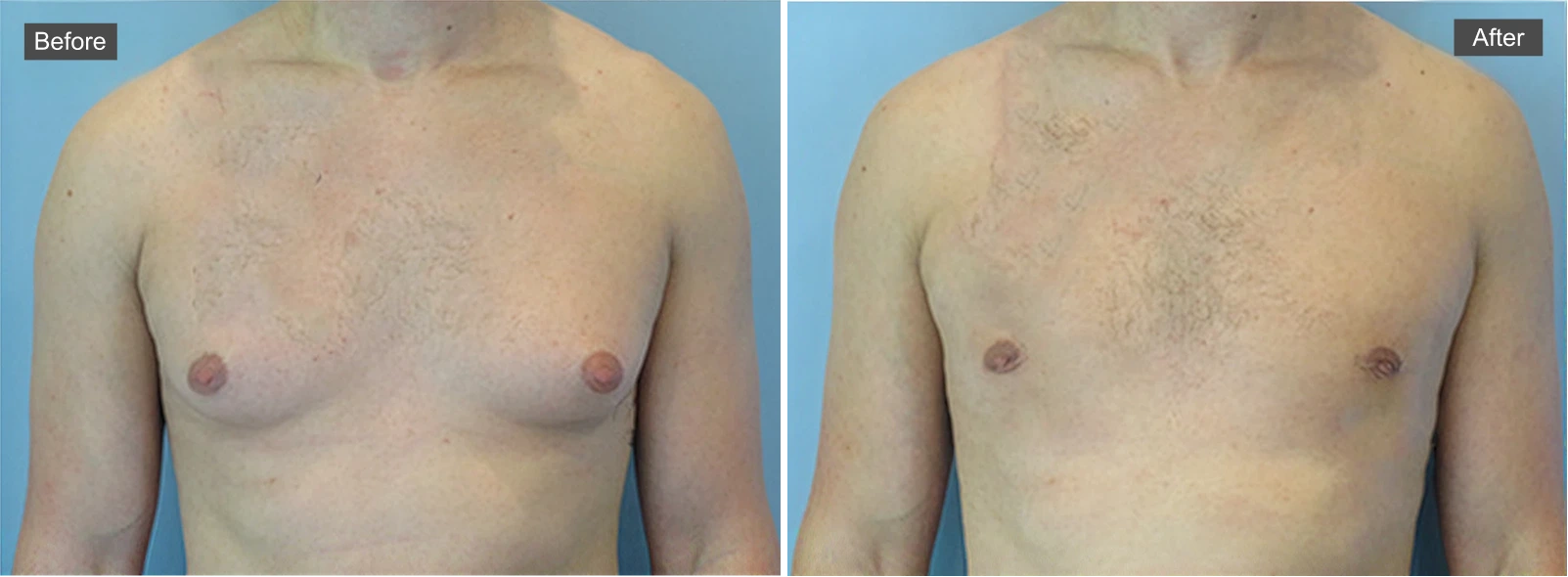
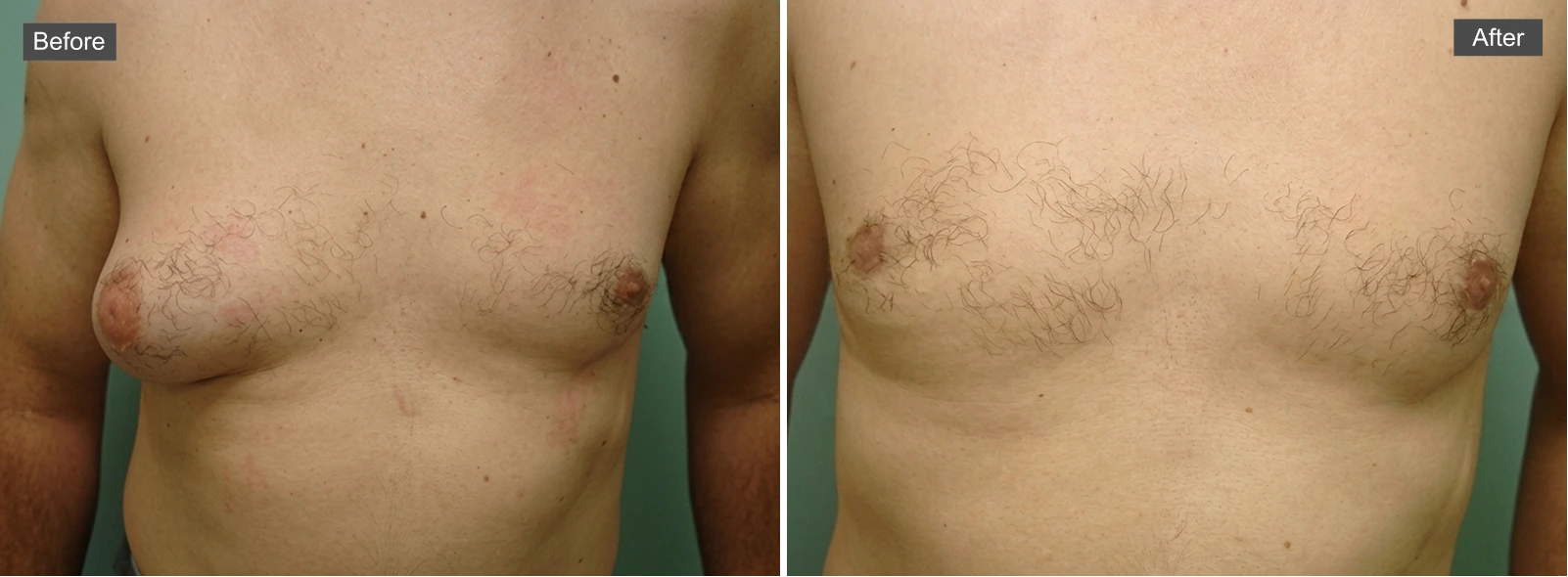
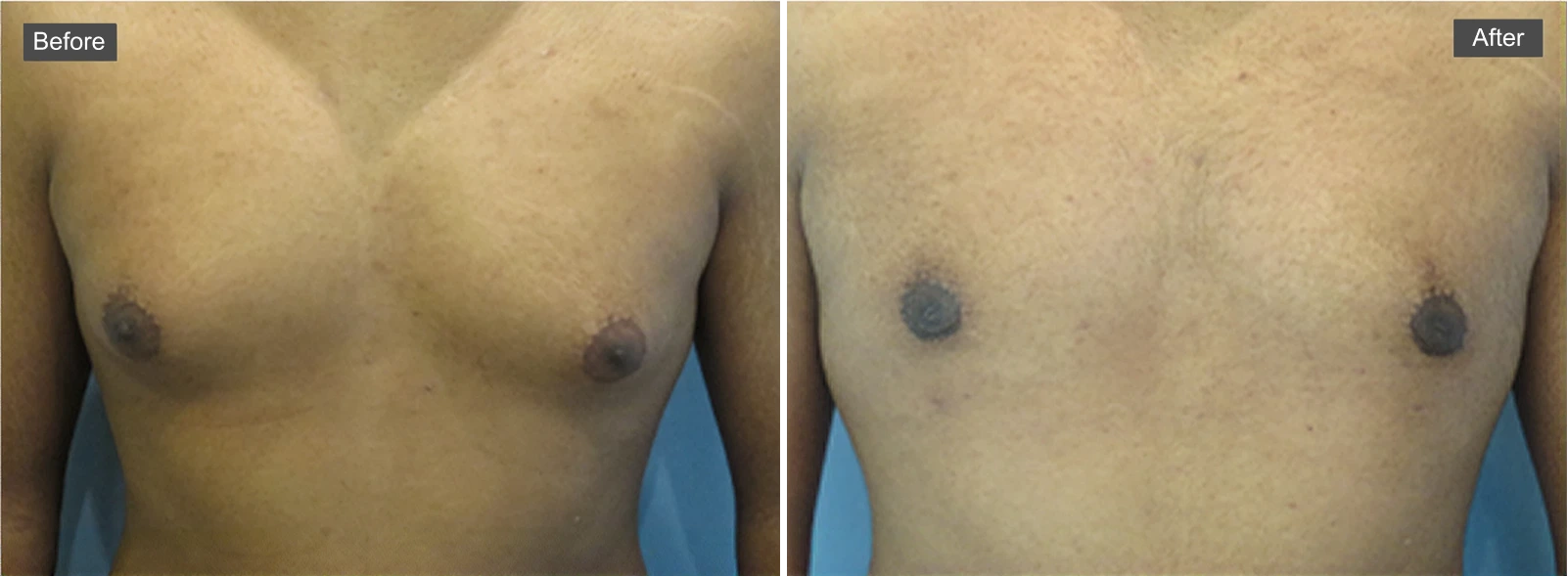
Gynecomastia Results
How Is Gynecomastia Diagnosed?
Diagnosing gynecomastia involves a comprehensive medical evaluation process by Dr. Erella. The process begins with Dr. Erella analyzing your medical history to understand potential causes, including family history, medication use, and symptom onset. This is followed by a physical examination where Dr. Erella assesses the breast tissue, checking for size, consistency, tenderness, and any signs of hormonal imbalances or other health issues.

Treatment Options for Gynecomastia
Liposuction
Liposuction is an effective treatment for gynecomastia, particularly for patients whose condition is primarily caused by excess fatty tissue (pseudogynecomastia). Dr. Erella performs SmartLipo, a state-of-the-art technique where a small cannula is inserted through a tiny incision to suction out unwanted fat. This minimally invasive procedure not only removes fat but can also promote skin tightening, resulting in a flatter, more defined, and masculine chest contour with minimal scarring.
Surgical Excision
Combined Liposuction & Excision
How Is Gynecomastia Surgery Performed?
1. Anesthesia
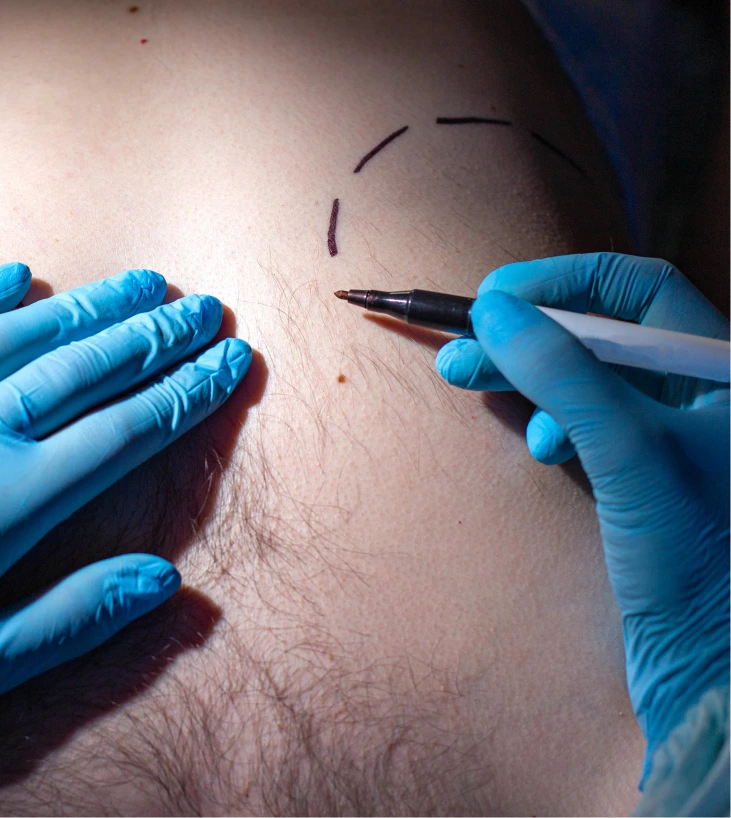
2. Incisions
3. Tissue Removal and Sculpting
4. Closing the Incisions
Recovery After Gynecomastia Surgery
Immediate Recovery (First 24-48 Hours)
The First Week
Returning to Normal Activities (Weeks 2-6)
Long-Term Results and Scar Care
Candidates for Gynecomastia Surgery
Ideal candidates for male breast reduction are individuals who are looking for a permanent solution to achieve a more masculine chest. You may be a good candidate if you meet the following criteria:
- You are physically healthy and at a stable, healthy weight.
- You have realistic expectations about the surgical outcome.
- You are a non-smoker or are willing to quit before and after surgery to ensure proper healing.
- You are bothered by the appearance of your chest and feel self-conscious.
- Your breast development has stabilized, and the condition has not resolved on its own.

Benefits of Male Breast Reduction
- A Flatter, More Masculine Chest: The primary benefit is a firmer and more contoured chest that aligns with a traditionally masculine physique.
- Increased Self-Confidence: Many men experience a profound boost in self-esteem and body image, feeling less self-conscious in social situations or when wearing fitted clothing.
- Improved Clothing Fit: T-shirts, dress shirts, and swimwear will fit better, allowing for a wider range of wardrobe choices.
- Permanent Results: The glandular tissue and fat cells removed during surgery are gone for good, providing a long-lasting solution as long as a stable weight is maintained.
- Relief from Discomfort: The procedure can alleviate any physical discomfort, tenderness, or chafing caused by enlarged breasts.
How Much Does Gynecomastia Surgery Cost in Austin, TX?
In Austin, gynecomastia surgery typically costs $7,000 to $9,000, but the price varies with case complexity. The final cost is determined by factors such as the surgical technique used and the type of anesthesia. After a consultation, Dr. Erella will provide a specific quote tailored to your needs, and we offer several financing options to make the procedure accessible.
What People Are Saying

“I had an amazing experience with Aspira Plastic Surgery. I interviewed and consulted with several plastic surgeons in the area before making my decision, and Aspira was by far the best choice. From the initial consultation through my recovery, the entire team was professional, caring, and made me feel completely comfortable.”
-Timothy D.
Frequently Asked Questions (FAQs)
Is gynecomastia harmful?
Why have a male breast reduction when there are so many non-surgical options available?
What are the risks of gynecomastia surgery?
What type of anesthesia is best for gynecomastia surgery?
What is pseudo-gynecomastia?
Am I a good candidate for gynecomastia surgery?
- Men who have concerns about enlarged breast tissue or enlarged breasts
- Individuals in good health with asymmetry of enlarged breasts
- Men who are physically healthy, of relatively normal weight, and who have realistic expectations
What should I expect during my consultation for gynecomastia surgery?
Can I get rid of my gynecomastia with exercise alone?
How noticeable will the scars be after surgery?
Can gynecomastia recur after surgery?
How long before I can resume exercise after surgery?
Light exercise can often be resumed within a few weeks, but safely exercising after gynecomastia surgery requires waiting 4-6 weeks before engaging in any strenuous activities or heavy lifting.