

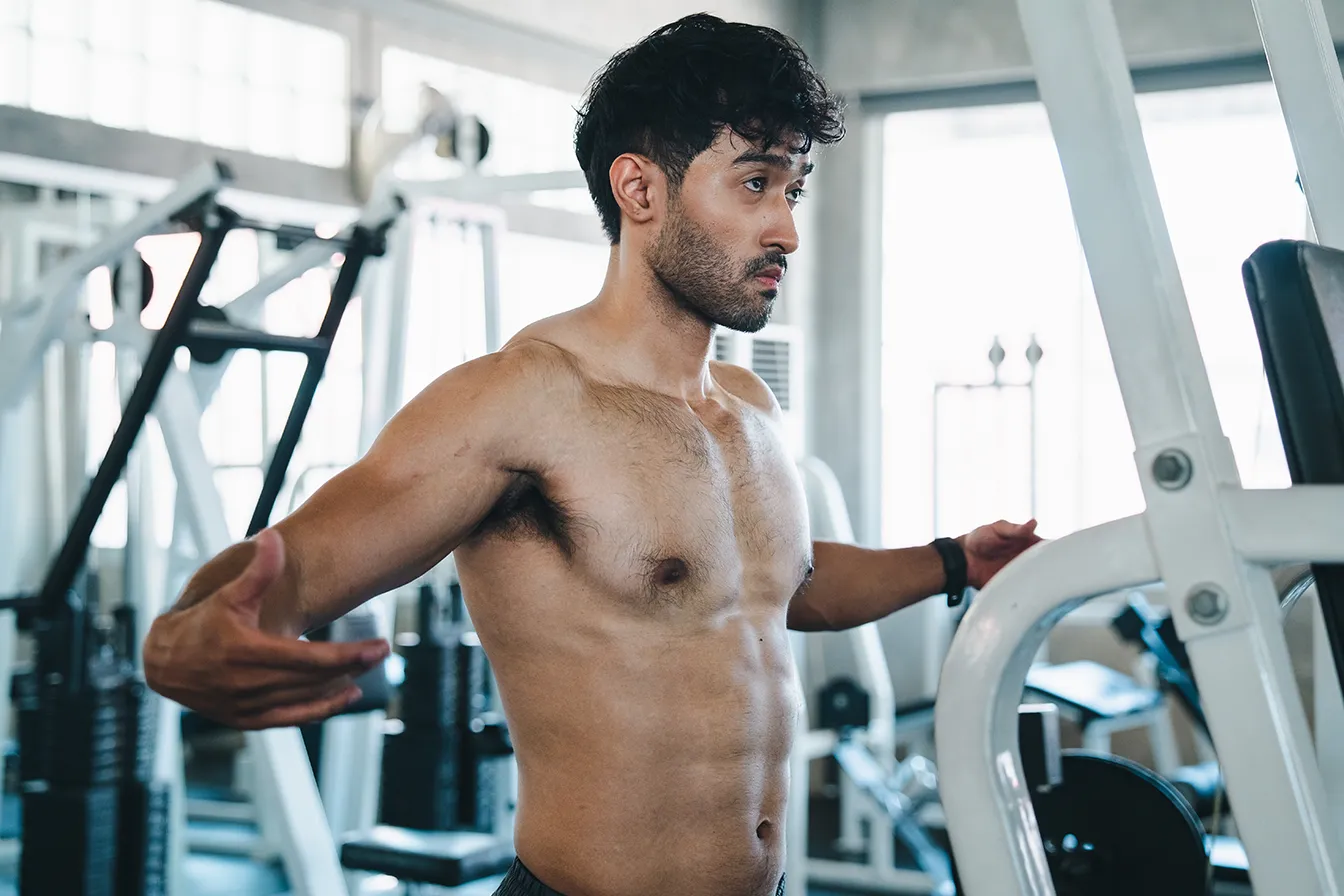
Many patients can begin short, easy walks the same day or within a day or two after gynecomastia surgery. Light cardio is often introduced after a few weeks, and strength training usually returns gradually, with chest workouts and heavy lifting added last. Your exact timeline depends on your healing, the type of procedure performed, and your surgeon’s instructions.
Gynecomastia surgery may involve liposuction, removal of glandular tissue, or a combination of techniques. According to Cleveland Clinic, the surgical approach depends on the type and amount of tissue being treated, which is one reason recovery can vary from patient to patient.
Key Takeaways
- Short walks may begin within the first few days after gynecomastia surgery, while strenuous exercise should wait until healing is further along.
- Low-impact cardio is often introduced around weeks 3–4, depending on swelling, comfort, and surgical clearance.
- Light resistance training may return around weeks 4–6, with direct chest exercises and heavy pushing added later.
- Full workouts and heavier lifting are commonly resumed around weeks 6–8 or later, depending on the procedure and recovery.
When Can You Start Exercising After Gynecomastia Surgery?
The first few weeks should focus on protecting the surgical area while gradually increasing activity. Safety is about load, range of motion, and impact, not how motivated you feel. You may feel ready to exercise before the surgical area has fully healed, which is why activity should increase gradually.
How Soon Is It Safe to Exercise?
It is usually safe to begin very light walking the same day or the next day, in short loops around the house. That is exercise in the medical sense, not training.
- Strenuous activity that significantly raises heart rate and blood pressure should generally wait until you are cleared to resume it.
- Light cardio often waits until about week three, and only if walking is easy and swelling is settling.
- Strength work that uses the arms and chest often waits until weeks four to six for light loads, and closer to weeks six to eight for pressing and pushing.
When to Stop Exercising
Mild fatigue or light soreness can be normal during recovery. Sharp pain, a sudden increase in swelling, or symptoms that feel unusual are signs to stop and pay attention to your body.
Stop exercising and contact our office if you notice:
- Sharp or increasing pain in the chest
- A pulling feeling at the incision sites
- A sudden increase in swelling or bruising
- Bleeding or drainage from the incisions
- Soreness that gets worse instead of better
- Discomfort that makes it hard to do simple daily tasks
Seek immediate medical attention if you experience:
- Chest pain
- Significant shortness of breath
- Fainting or feeling as if you may faint
- An unusual or racing heartbeat
- Any severe or rapidly worsening symptom
If something feels wrong, stop exercising and follow the safest next step. It is always better to pause recovery exercise than to push through symptoms that may need medical attention.
Step-By-Step Guide to Exercising After Gynecomastia Surgery
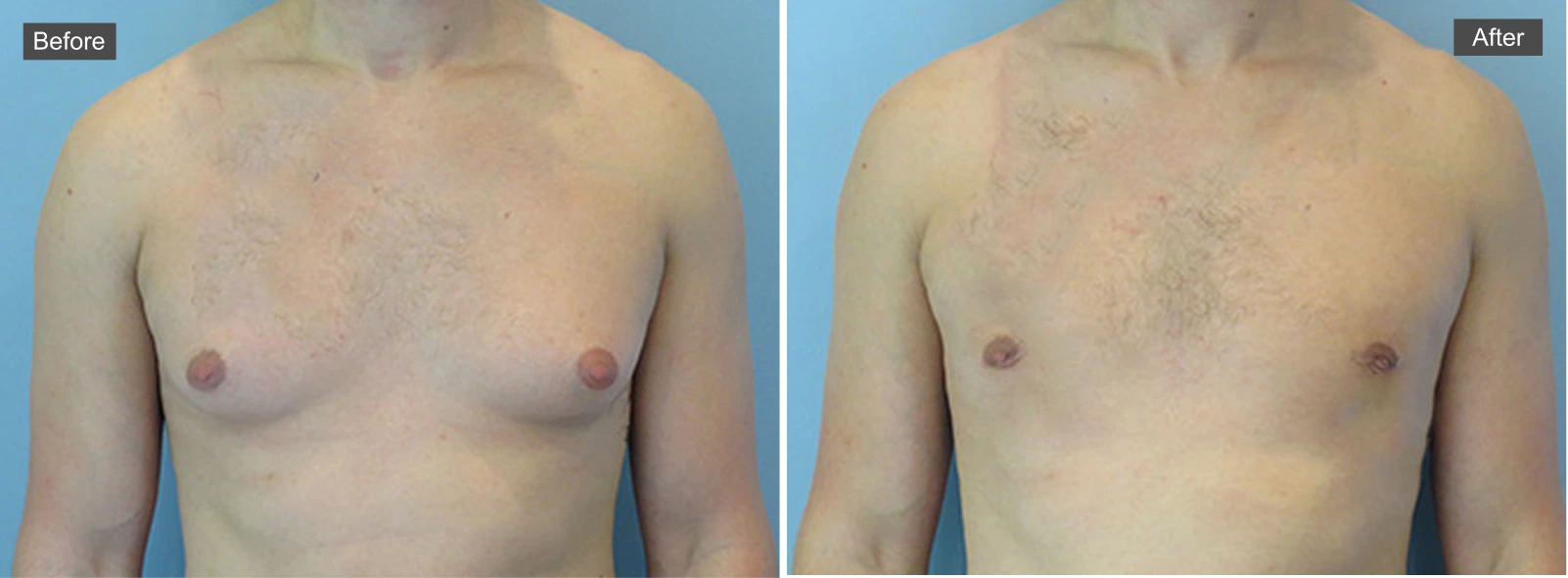
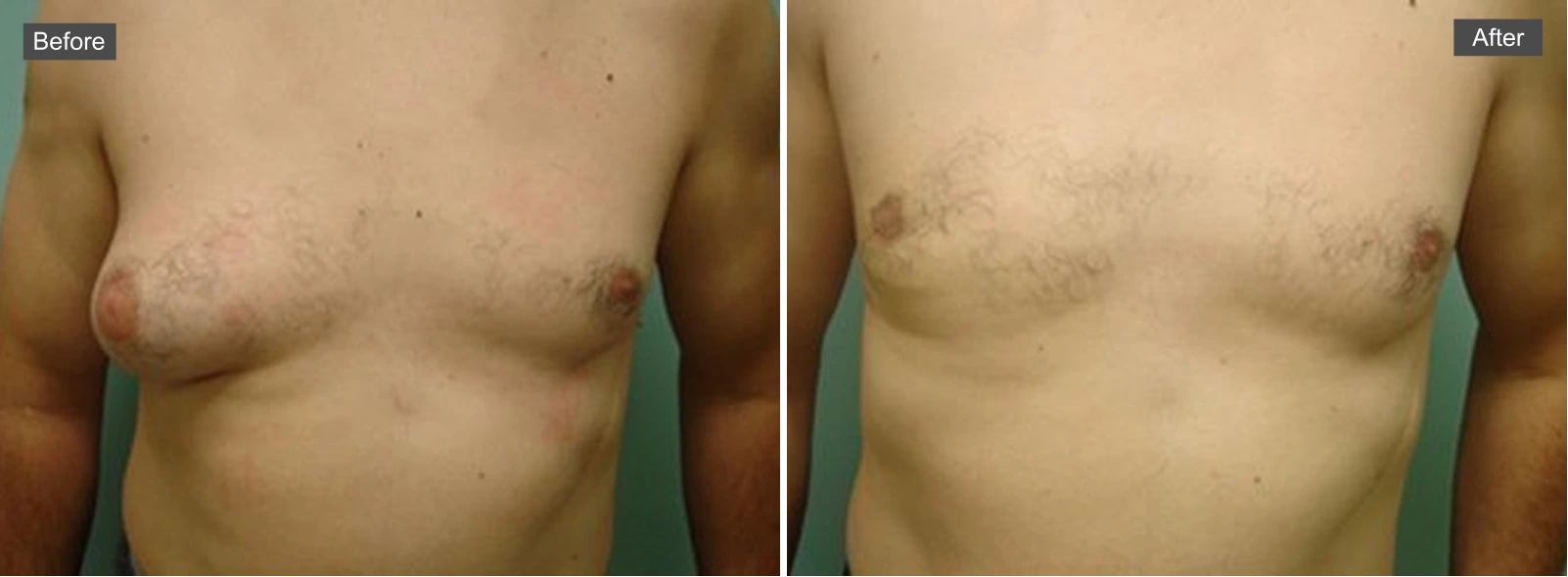
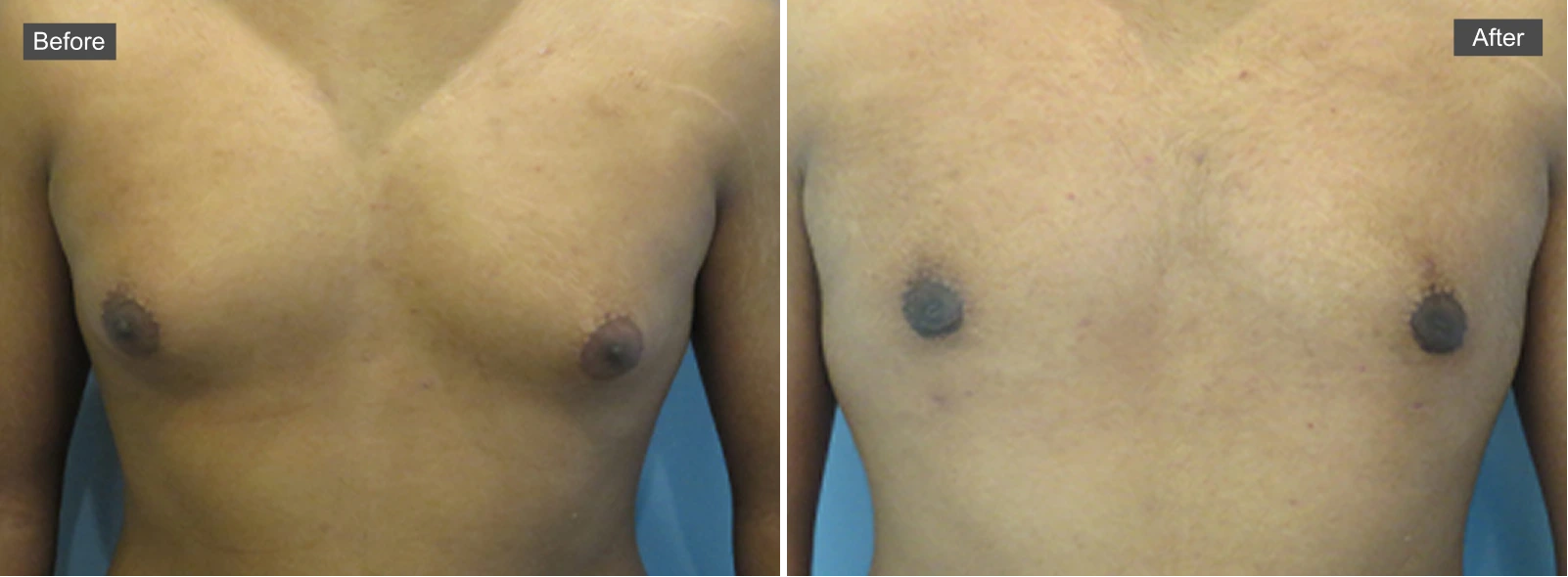
This week-by-week plan is a general template. In most cases, exercising after gyno surgery happens in stages: gentle walking first, followed by low-impact cardio, light resistance training, upper-body work, and direct chest training last. According to the American Society of Plastic Surgeons (ASPS), the time it takes to return to exercise can vary from a few weeks to a couple of months depending on the type and extent of gynecomastia surgery performed. Your surgeon’s instructions should always take priority.
The First Few Days: Rest and Gentle Movement
The first few days should focus on rest and gentle movement. Short walks around the house or outside on level ground can help keep you moving without placing unnecessary strain on the chest.
Avoid heavy lifting, pushing, pulling, stretching, or other movements that put tension on the surgical area. Wear your support garment as directed and remember that swelling can temporarily affect the appearance of your results.
Weeks 1–2: Light Activity Only
Continue easy walking and gradually increase the duration if you feel comfortable. Most patients are still advised to avoid strenuous exercise, heavy lifting, swimming, and activities that place significant strain on the chest during this stage. Your chest tissues and incisions are still healing, so activity should remain light.
Weeks 3–4: Gradual Return to Cardio
If recovery is going well and you have been cleared to exercise, you may gradually introduce low-impact cardio during this stage. Start with short, easy sessions and increase activity slowly. Avoid high-impact exercise or movements that cause bouncing, pulling, or discomfort in the chest.
Weeks 4–6: Reintroducing Strength Training
Light resistance training may be introduced during this stage if healing is progressing well. Start with movements that place minimal strain on the chest and gradually add upper-body activity as tolerated. Direct chest exercises, heavy pushing, and movements that cause pulling or discomfort should still be avoided until you are cleared to progress.
Weeks 7–8 and Beyond: Gradual Return to Full Activity
Many patients can begin returning to a fuller exercise routine during this stage, depending on their healing and the type of surgery performed. Direct chest training and heavier lifting should be added last and increased gradually. Avoid immediately returning to maximum-effort workouts or your previous training volume.
What Can Delay Your Return to Exercise After Gynecomastia Surgery?
Recovery can take longer if swelling or discomfort persists, the incisions are not healing as expected, or complications develop. More extensive surgery may also require a longer recovery period. According to the American Society of Plastic Surgeons, patients who have more extensive breast tissue or excess skin removed generally need more recovery time than those undergoing a smaller excision.
If your recovery is not progressing as expected, avoid increasing the intensity of your workouts until your surgical team confirms it is safe to do so.
Practical Tips for a Successful Exercise Routine
Monitoring Your Body and Incisions
- Pay attention to how your chest and incisions respond as you return to exercise. Mild soreness or tightness may occur, but new or worsening pain, swelling, redness, or drainage should be taken seriously.
- Watch for increasing redness, swelling, drainage, or unusual changes around the incisions.
- Wear your compression garment for the length of time recommended. Instructions may vary depending on your procedure and how your chest is healing.
- If exercise causes new or worsening symptoms, reduce your activity and contact the surgical team if they are significant or persistent.
Avoiding Common Pitfalls
- Returning to exercise too quickly can interfere with recovery, even if you feel well.
- Increase activity gradually rather than returning immediately to your previous routine.
- Do not push through pain, pulling, or increasing discomfort in the chest.
- Avoid testing chest exercises before you have been cleared to resume them.
- Prioritize rest, hydration, and regular nutrition while your body is healing.
- Remember that recovery timelines vary, so do not compare your progress with someone else’s.
Conclusion
Light walking may begin within the first few days, followed gradually by low-impact cardio and resistance training as healing progresses. Direct chest training and heavier lifting are usually added later. The exact timing varies, so follow your personalized postoperative instructions and do not advance activity until you have been cleared to do so.
If you are considering gynecomastia surgery or have questions about recovery and returning to exercise, schedule a consultation with Aspira Plastic Surgery. We will explain what to expect based on your procedure, activity level, and recovery goals.