


For patients in Austin, TX, considering a natural approach to breast enhancement, fat transfer breast augmentation can provide subtle, long-lasting results. Published research suggests that fat retention varies considerably, with one systematic review reporting an average volume retention of about 58%.
The amount that ultimately remains depends on factors such as surgical technique, individual healing, how the fat is harvested and processed, and post-operative care. Final results generally become clearer as swelling resolves and the transferred fat stabilizes over the following months.
Key Takeaways
- Fat retention after breast fat transfer varies, and no exact percentage can be guaranteed.
- Recent research suggests that roughly half of the transferred volume may remain on average, though results vary widely between patients and studies.
- Surgical technique, healing, nicotine use, weight stability, and postoperative care can influence the final result.
- Final breast volume becomes clearer as swelling resolves and the transferred fat stabilizes over the following months.
Typical Fat Survival Rates After Fat Breast Augmentation
Fat retention after breast fat transfer varies considerably, and no single percentage can predict an individual patient’s result. A 2026 systematic review involving 47 studies and 4,425 participants found pooled fat uptake of approximately 53%. However, outcomes varied substantially between studies, reinforcing that surgical technique, recipient tissue, healing, weight changes, and individual biology can all influence the final result.
Fat retention can be influenced by factors such as surgical technique, how the fat is harvested and processed, the amount transferred, the recipient tissue, changes in body weight, and individual healing. Your breasts may appear fuller immediately after surgery because of swelling and the initial volume transferred, while the longer-term result becomes clearer as healing progresses.
Why Doesn’t All the Transferred Fat Survive?
Transferred fat cells are living tissue and must establish a new blood supply to survive. Cells that successfully integrate can become a lasting part of the breast tissue, while some non-surviving fat is gradually reabsorbed by the body.
In some cases, non-surviving fat can contribute to benign changes such as fat necrosis, oil cysts, or calcifications. A systematic review of breast augmentation with fat grafting reported these findings among the radiologic changes observed after the procedure.
Surgeons commonly distribute fat in small amounts throughout the recipient tissue to support access to an adequate blood supply. Common reasons why fat cells don’t survive:
- Trauma during harvesting: liposuction must be gentle to keep cells viable
- Processing: purification must separate healthy fat from other fluids without damage
- Injection site: recipient tissue must be healthy and well-vascularized
- Cell competition: too much fat in one spot leaves cells in the center without a blood supply
- Smoking and nicotine: Reduced blood flow can interfere with healing and may negatively affect fat graft survival.
Can Surgeons Predict Fat Survival Exactly?
No. An experienced surgeon can estimate a likely range and plan accordingly, but exact survival cannot be promised. Circulation, hormone status, donor-fat quality, unique biology, and how closely you follow recovery instructions all play a role. The exact rate becomes clear only as your body heals over the first three to six months
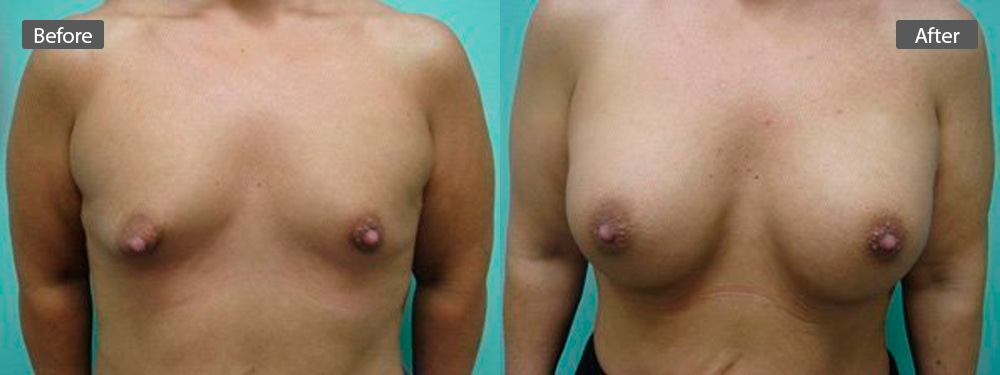
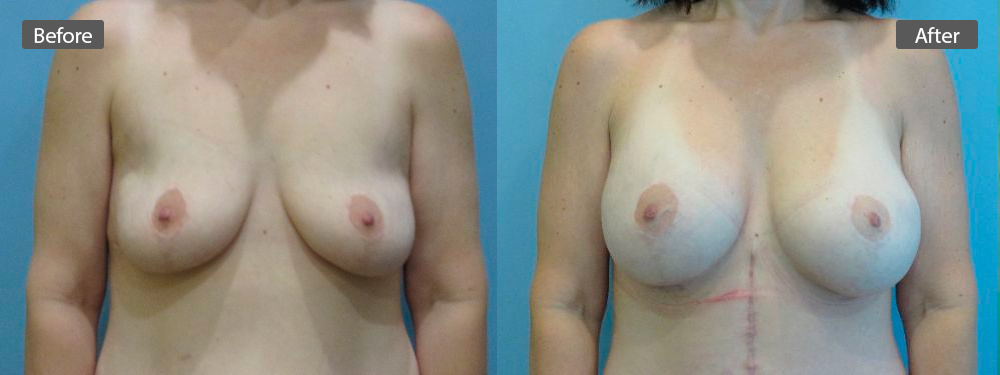
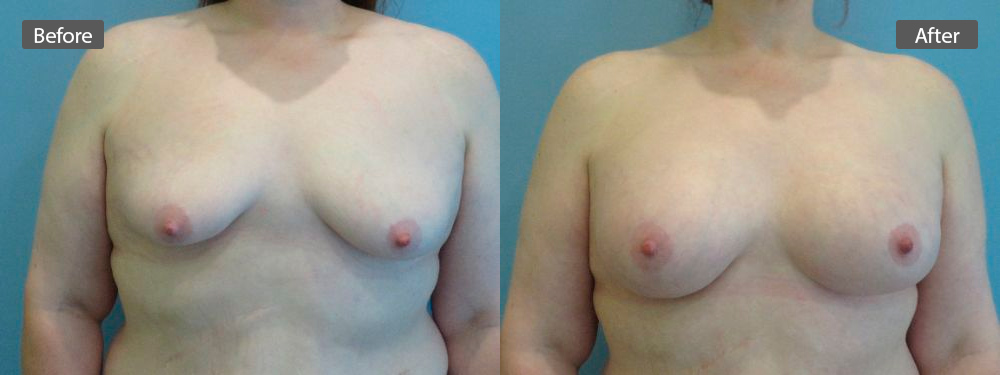
Warning:
This gallery contains nudity. Please click OK to confirm you are at least 18 years of age and are not offended by this material.
* All patients are unique and individual results may vary.
Factors That Affect Fat Survival
The outcome is a partnership between your surgeon’s expertise and your body’s ability to heal. Small differences in health, surgical judgment, and the weeks that follow can add up.
Patient-Specific Factors
Your individual health and anatomy play a significant role in fat retention. Dr. Erella uses the consultation and physical exam to see whether your donor areas, breast tissue, and goals line up.
- Overall health: Good general health, stable weight, adequate nutrition, and appropriate management of medical conditions can support recovery.
- Smoking and nicotine: Nicotine constricts blood vessels and can interfere with healing and fat graft survival. Follow your surgeon’s instructions about avoiding nicotine before and after surgery.
- Available donor fat: You need enough excess fat in areas like the abdomen, hips, or thighs; very lean patients may not have sufficient fat for a noticeable size change
- Tissue quality: Health and elasticity of breast skin and tissue affect how well the area accepts new fat
- Stable weight: Surviving fat cells grow or shrink if your weight changes
- Circulation and healing: Good blood flow supports graft take
- Age and hormones: These do not cancel a good result, but they can affect skin quality and how fat is distributed
- Medical conditions: Conditions that affect healing can influence how many cells remain
Surgical Technique and Expertise
Surgical technique plays an important role in fat retention. How the fat is harvested, processed, and placed can influence graft survival, and transferring more fat does not necessarily produce a larger lasting result.
Post-Surgery Care and Recovery
Following your surgeon’s recovery instructions can help support healing and protect your results. During the early recovery period, the transferred fat is establishing a blood supply, so carefully following postoperative guidance is important.
- Avoid putting any direct pressure on your breasts for the first several weeks
- Sleep on your back, not on your stomach
- Wear a special surgical bra or no bra at all, as instructed; avoid tight sports bras, overly tight compression, and underwire until cleared
- Stay hydrated and eat a healthy, nutrient-rich diet with enough protein to support healing
- Maintain a stable weight during recovery and avoid beginning a significant weight-loss program unless your surgeon advises otherwise.
- Keep nicotine out of your system
- Attend all scheduled follow-up appointments
How Weight Changes Affect Results
Fat cells that successfully establish a blood supply can remain long-term and behave like fat cells elsewhere in your body. They expand if you gain weight and shrink if you lose weight, so significant weight fluctuations can affect breast volume over time. Be at or near your ideal, stable weight before surgery; if you are still in an active weight-loss phase, it is often wiser to wait until your weight has leveled off.
Can Illness Affect Recovery After Fat Transfer?
Your body needs time to heal after fat transfer breast augmentation. If you develop an infection, significant illness, or other unexpected health issue during your recovery, contact your surgical team. They can determine whether your recovery plan, medications, activity level, or follow-up schedule needs to be adjusted.
When Can I Exercise After Fat Transfer Breast Augmentation?
Returning to exercise too soon can interfere with the normal healing process, so it is important to follow your surgeon’s recovery instructions. Light walking is often introduced first, while more strenuous exercise, heavy lifting, and activities that place pressure or strain on the chest may need to wait until your surgeon determines that it is safe to resume them.
Recovery timelines vary depending on the procedure, donor areas, and individual healing. The American Society of Plastic Surgeons recommends resuming exercise and normal activities according to your plastic surgeon’s directions.
When Do Fat Transfer Breast Augmentation Results Stabilize?
After the initial three- to six-month stabilization period, the amount of retained fat is generally considered more stable, although the appearance of the breasts may continue to refine as swelling resolves and tissues settle. True volume does not keep climbing; if your weight increases later, surviving fat cells can enlarge, which is a weight-related change, not the graft suddenly working better.
How Long Does Fat Transfer Last?
The results of a successful fat transfer breast augmentation can be long-lasting. Fat cells that successfully establish a blood supply become living breast tissue and can change in size with future weight gain or loss, just like fat elsewhere in the body.
Breast implants, by comparison, are not considered lifetime devices. A 2024 article from the American Society of Plastic Surgeons notes that replacement is often discussed in the 10- to 15-year range, although some implants last longer and there is no mandatory replacement date. The FDA similarly states that implant lifespan varies from person to person and cannot be predicted. Complications, changes in appearance, or personal preference may lead to removal or replacement earlier or later.
Conclusion: Achieving Lasting, Natural-Looking Breast Enhancement
Fat retention after breast fat transfer varies from patient to patient, but research suggests that a meaningful portion of the transferred volume can remain long-term once healing has stabilized. Surgical technique, individual healing, stable weight, and appropriate post-operative care can all influence the final result.
If you’re considering fat transfer breast augmentation in Austin, schedule a consultation with us to discuss your anatomy, available donor fat, aesthetic goals, and what results may be realistic for you.