
Considering plastic surgery is a significant decision that requires careful evaluation of multiple factors beyond simply wanting to change your appearance. The journey toward readiness involves an honest self-assessment of your physical health and emotional preparedness, along with understanding the realities of surgical procedures, recovery, and long-term outcomes. True readiness means being in good health, having clear and achievable goals, understanding the risks and limitations, choosing qualified medical professionals, and possessing the mental resilience to handle the recovery period and potential challenges.
Understanding Cosmetic Surgery
Cosmetic surgery encompasses a wide range of procedures designed to enhance or alter your physical appearance. Unlike reconstructive surgery, which addresses medical issues or trauma, cosmetic surgery is elective and focuses on aesthetic improvements. Common procedures include breast augmentation, rhinoplasty, liposuction, facelifts, tummy tucks, and eyelid surgery.
Before moving forward, it’s essential to understand that cosmetic surgery is real surgery with real risks. Every procedure carries potential complications, from infection and scarring to anesthesia reactions and unsatisfactory results. Modern techniques have made these procedures safer than ever, but eliminating risk entirely is impossible.
Research shows that successful outcomes depend heavily on patient selection and preparation. This means the best candidates aren’t just those who want surgery – they’re those who are genuinely ready for it in every sense.
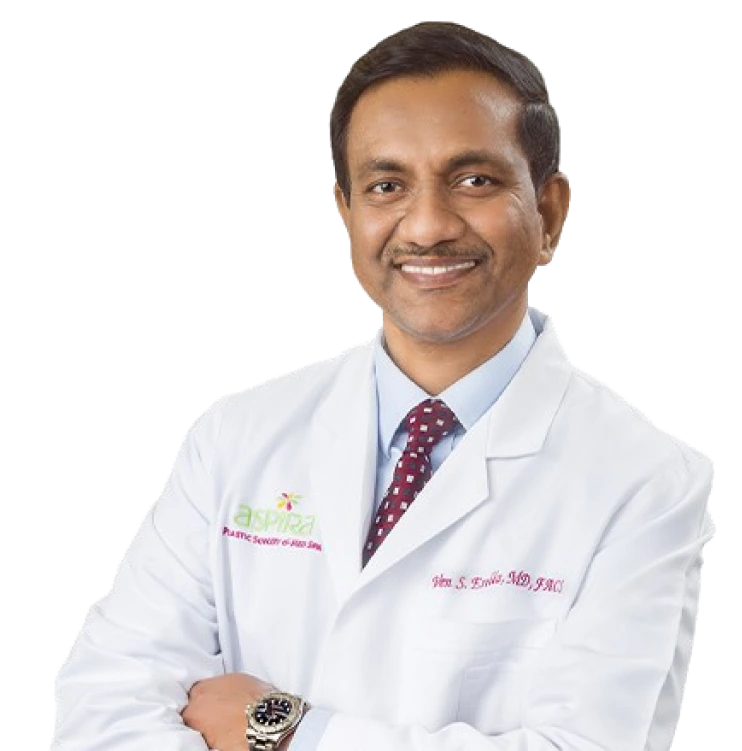
Schedule an appointment with Dr. Erella.
Are You Physically Healthy?
Your physical health status is the foundation of surgical safety and successful recovery. Being physically healthy means more than just feeling fine day to day. It involves specific health markers that surgeons evaluate before clearing you for surgery.
Key physical health considerations include:
- Stable weight: Your weight should be stable for at least 6-12 months before surgery
- No active infections or illnesses
- Well-controlled chronic conditions like diabetes, high blood pressure, or thyroid disorders
- Non-smoker status (or willingness to quit well before and after surgery)
- Adequate nutrition and hydration habits
- Reasonable fitness level appropriate for your age
If you have chronic health conditions, they must be well-managed before surgery. Uncontrolled diabetes, for instance, significantly increases infection risk and impairs wound healing. Heart conditions, blood-clotting disorders, and autoimmune diseases all require special consideration and clearance from your primary care physician.
Smoking deserves special mention as it dramatically affects surgical outcomes. Nicotine constricts blood vessels, reducing blood flow to healing tissues. Most surgeons require patients to stop smoking at least 4-6 weeks before surgery and throughout the recovery period.
The Role of a Physical Exam
A comprehensive physical exam is a non-negotiable step in the plastic surgery process. This examination allows your surgeon to assess your candidacy, identify potential risk factors, and develop a safe surgical plan tailored to your specific body.
During your physical exam, expect your surgeon to:
- Review your complete medical history, including previous surgeries and current medications
- Take vital signs and assess your overall health status
- Examine the specific areas you want to address
- Evaluate skin quality, elasticity, and underlying structure
- Take photographs and measurements for surgical planning
- Discuss any anatomical factors that might affect your results
The physical exam also provides an opportunity for you to ask questions and voice concerns. Be completely honest about your health history, medication use, and lifestyle habits. Withholding information to improve your chances of approval could have serious consequences during or after surgery.
Some patients may require additional testing based on their age, health history, or the type of procedure planned. Blood work, an EKG, a mammogram, or other diagnostic tests may be necessary to ensure your safety.
Developing Realistic Expectations
Perhaps the most critical aspect of readiness is developing realistic expectations about what surgery can and cannot achieve. This mental preparation significantly influences your satisfaction with results and overall experience.
Realistic expectations start with understanding that plastic surgery can enhance your appearance, but it won’t completely transform your life, fix relationship problems, or guarantee happiness. While many patients experience increased confidence and satisfaction, surgery itself doesn’t solve deeper emotional or psychological issues.
You should expect:
- Improvement, not perfection
- Results that look natural and suit your overall appearance
- A recovery period that requires time, patience, and temporary lifestyle adjustments
- Some degree of scarring, though surgeons minimize this as much as possible
- The possibility of asymmetry or the need for revision surgery
- Results that change over time due to aging, weight fluctuations, and gravity
It’s also important to have realistic expectations about timing. Swelling and bruising can take weeks or months to fully resolve, and final results may not be apparent for six months to a year after surgery. Patients who understand this timeline are less likely to feel anxious or disappointed during recovery.
Finding a Board-Certified Plastic Surgeon
The surgeon you choose dramatically impacts your safety, experience, and results. Selecting a board-certified plastic surgeon is essential – this certification indicates extensive training, ongoing education, and adherence to high ethical standards.
Board certification through the American Board of Plastic Surgery requires:
- Completion of an accredited plastic surgery residency program (typically 6-8 years of surgical training after medical school)
- Passing comprehensive written and oral examinations
- Demonstrated surgical competence through peer review
- Commitment to continuing education and staying current with advances in the field
Beyond certification, evaluate potential surgeons based on:
- Experience and specialization: Does the surgeon regularly perform your desired procedure? Ask how many times they’ve done it and request to see before-and-after photos of previous patients with similar concerns.
- Hospital privileges: Even if your surgery will be in an outpatient facility, your surgeon should have privileges at an accredited hospital. This indicates they’ve been peer-reviewed and meet high standards.
- Facility accreditation: The surgical facility should be accredited by recognized organizations that enforce safety standards and regularly inspect equipment and protocols.
- Communication style: You should feel comfortable asking questions and discussing concerns. A good surgeon listens, explains clearly, and never pressures you or makes promises that sound too good to be true.
Schedule consultations with multiple surgeons. This allows you to compare approaches, assess bedside manner, and make an informed decision. Trust your instincts – if something feels off, keep looking.
Emotional and Mental Readiness
Physical health is only half the equation. Emotional readiness is equally crucial for a positive surgical experience and satisfactory outcome.
Emotionally ready candidates have:
- Stable mental health with no active depression, anxiety disorders, or body dysmorphic disorder (BDD)
- A support system to assist during recovery
- Realistic understanding of recovery challenges
- Patience for the healing process
- Ability to follow pre- and post-operative instructions
- Financial stability to cover costs without creating significant stress
Body dysmorphic disorder deserves special attention. This condition involves obsessive focus on perceived flaws that are minor or nonexistent to others. People with BDD rarely find satisfaction in cosmetic procedures and may seek multiple surgeries without ever feeling better. If you suspect you might have BDD, consult with a mental health professional before pursuing surgery.
Recovery requires mental resilience. You’ll experience discomfort, temporary limitations on activities, and possibly emotional ups and downs as your body heals. Having realistic expectations about this process and coping strategies makes a significant difference.
Financial Preparedness
Since cosmetic surgery is typically not covered by insurance, you must be financially prepared to cover all costs, including the procedure, anesthesia, facility fees, pre-operative tests, post-operative garments, and potential time off work.
Additionally, budget for:
- Potential complications requiring additional treatment
- Revision surgery if needed (though reputable surgeons often include revision policies)
- Help with household tasks or childcare during recovery
- Travel costs if seeing an out-of-area surgeon
Financial stress can negatively impact your recovery and overall experience. Ensure you can comfortably afford the procedure without jeopardizing your financial security or taking on excessive debt.
Take Your Next Step at the Right Time
Deciding to move forward with a plastic surgery procedure is a big decision that deserves careful thought and professional guidance. If you’ve reflected on your readiness and feel confident about taking this important step, we invite you to schedule a consultation at our office. Dr. Erella will conduct a thorough evaluation to determine whether you’re a suitable candidate, discuss your desired outcome in detail, and review any medical conditions that may affect your surgical plan. This consultation is your opportunity to ask questions, address concerns, and gain clarity about what to expect throughout your journey. Remember, there’s no pressure to commit immediately – this meeting is designed to provide you with the information you need to make the best decision for yourself. When the timing feels right and you’re fully prepared, we’ll be here to support you every step of the way.
Conclusion
The journey to plastic surgery readiness involves much more than simply wanting to change your appearance. Ideal candidates are those who understand all the risks involved, have thoroughly researched the recovery time required for their specific procedure, and have prepared for the practical realities, including restrictions on heavy lifting, potential lost wages from time off work, and the fact that health insurance typically won’t cover elective cosmetic procedures. Being ready means you’ve honestly assessed whether you can handle the temporary disruptions to your daily life and have the financial resources to cover not just the operating room costs, but also the associated expenses. When you can confidently answer “yes” to the readiness questions outlined in this checklist, you’re positioning yourself to achieve your desired result and experience the full benefits of your procedure.
Ultimately, only you can decide if now is the right time to pursue plastic surgery. This is a deeply personal choice that requires balancing your goals, current life circumstances, health status, and emotional preparedness. Take the time you need to work through this checklist thoroughly, consult with qualified professionals, and listen to your instincts. There’s no universal timeline for readiness – some people know immediately, while others need months or even years to prepare mentally, physically, and financially. What matters most is that when you do move forward, you do so with confidence, realistic expectations, and a comprehensive understanding of what lies ahead. Your safety, satisfaction, and well-being should always be the top priorities in this decision-making process.