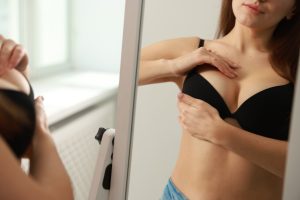
Recovering from breast augmentation is a gradual process that typically spans several weeks to months, with most patients returning to light activities within a week and resuming normal routines within 4-6 weeks. The journey involves distinct phases of healing, from immediate post-operative discomfort to the eventual settling of implants into their natural position. Understanding what to expect during each stage helps patients prepare mentally and physically, ensuring they follow proper care protocols and avoid complications that could compromise their results.
What to Expect After Breast Augmentation Surgery
Breast augmentation surgery ranks among the most popular cosmetic procedures worldwide, and with good reason. Whether you’re seeking to restore volume lost after pregnancy, correct asymmetry, or simply enhance your natural shape, the decision to undergo this transformative procedure comes with an important responsibility: committing to a proper recovery process.
The recovery timeline varies from patient to patient based on several factors:
- The surgical technique used
- Implant placement (above or below the muscle)
- Implant size
- Your body’s individual healing capacity.
However, most patients follow a similar progression through the healing stages. Being informed about each phase allows you to set realistic expectations and recognize when something might require your surgeon’s attention.
The First Week: Immediate Post-Op Recovery
Days 1-3 After Breast Implant Surgery
The first week represents the most challenging period of your recovery. Immediately following surgery, you’ll wake up wearing a surgical bra or compression garment designed to support your breasts and minimize swelling. During these initial days, discomfort is at its peak, particularly if your implants were placed beneath the chest muscle. Many patients describe the sensation as tightness, pressure, or soreness similar to an intense chest workout.
Pain medication prescribed by your plastic surgeon will help manage discomfort, though you should expect some level of pain regardless. Swelling and bruising are completely normal and may make your breasts appear larger than the anticipated final size. You’ll need to sleep elevated on your back with pillows supporting your upper body to reduce swelling and prevent pressure on the incisions.
Movement will be limited, and you’ll need assistance with basic tasks like showering, dressing, and preparing meals. Most surgeons recommend taking at least one week off work, though those with physically demanding jobs may require two weeks or more.
Days 4-7: The First Week Milestones
By the middle of your first week, you’ll likely notice gradual improvements in mobility and comfort. The initial intense pain typically subsides into manageable soreness, and you may begin reducing pain medication. However, your breasts will still feel tight, and you’ll need to continue wearing your surgical bra or recommended compression garment around the clock.
Your surgeon will schedule a follow-up appointment during this first week to examine your incisions, assess healing, and potentially remove any drains placed during surgery. This visit provides an opportunity to address concerns and ensure your recovery is progressing normally.
Light walking is encouraged during this period to promote circulation and reduce the risk of blood clots, but you must avoid raising your arms above shoulder level, lifting anything heavier than a few pounds, or engaging in any strenuous activity.
Week 2: Returning to Light Activities
During the second week, most patients experience significant improvements in comfort and mobility. Swelling begins to decrease, though your breasts may still appear somewhat swollen and sit higher on your chest than they will eventually settle. This “high and tight” appearance is temporary and will resolve as the implants drop into their proper position over the coming weeks.
Many patients return to desk jobs and light daily activities during this week, though fatigue remains common. Your body is dedicating considerable energy to healing, so don’t be surprised if you tire more easily than usual. Continue wearing your surgical bra as directed and avoid underwire bras until your surgeon gives clearance.
You may receive permission to take brief showers, carefully washing around your incision sites without directly soaking them. Gently pat the areas dry and follow your surgeon’s instructions for wound care and scar treatment.
Weeks 3-4: Increased Independence
By the third and fourth weeks, most patients feel significantly better and can resume many normal activities. Swelling continues to decrease, and you’ll start getting a better sense of your breast shape and size. However, remember that your breasts are still settling, and the final results won’t be apparent for several months.
Your surgeon may clear you to begin wearing regular, soft, non-underwire bras and to sleep on your side. Light exercise, such as walking and gentle stretching, may be permitted, but continue to avoid heavy lifting, vigorous upper-body workouts, and high-impact activities.
During this period, you might notice that your breasts feel different from each other or that one appears to be healing faster than the other. Asymmetrical healing is common and usually resolves over time. However, report any concerns to your plastic surgery team to ensure everything is progressing normally.
Weeks 6-8: Resuming Normal Exercise
Around the six-week mark, most patients receive clearance to resume all normal activities, including exercise. Your surgeon will evaluate your healing progress and determine when it’s safe to return to weight training, running, and other vigorous physical activities. Even with clearance, ease back into exercise gradually rather than immediately returning to pre-surgery intensity levels.
Swelling continues to diminish, and your implants begin to settle into their natural positions through a process called “drop and fluff.” The upper portion of your breasts will soften and fill out the lower portion, creating a more natural appearance. Sensation changes that may have occurred after surgery – including numbness or hypersensitivity – often begin improving during this timeframe.
Months 3-6: Watching Your Final Results Develop
The most dramatic changes in your breast appearance occur during the three to six-month period following surgery. Implants continue to settle, swelling resolves completely, and scars begin to fade. By the three-month mark, you’ll have a good indication of your results, though subtle changes continue for up to a year.
Your plastic surgeon will schedule follow-up appointments throughout this period to monitor your progress and address any concerns. These visits are important for ensuring proper healing and optimal aesthetic outcomes.
Supporting Your Recovery Journey
Successful recovery requires active participation and patience.
- Follow all post-operative instructions carefully
- Attend all scheduled follow-up appointments
- Maintain a healthy diet to support healing
- Stay hydrated
- Avoid smoking and alcohol
- Don’t hesitate to contact your surgeon with concerns.
Remember that comparing your progress to others isn’t productive, as every person heals differently. Focus on your individual journey and trust the process. The temporary discomfort and limitations you experience during recovery are a small price to pay for the long-term confidence and satisfaction that breast augmentation can provide.
By understanding what to expect week by week, you can approach your recovery with confidence, knowing that each phase brings you closer to revealing your beautiful final results.
Aspira Plastic Surgery Is a Trusted Destination for Breast Augmentation in Texas
Aspira Plastic Surgery is recognized as a trusted choice for breast augmentation in Texas due to its focus on patient safety, personalized care, and experienced surgical professionals. Our practice emphasizes thorough consultations, helping individuals understand their options, expected outcomes, and the recovery process before making any decisions. With a commitment to high medical standards and supportive guidance, Aspira Plastic Surgery has earned a strong reputation among patients seeking reliable, well-informed cosmetic care.
The Benefits of Choosing a Board-Certified Plastic Surgeon
Our double-board-certified plastic surgeon, Dr. Erella, offers advanced skills and knowledge in breast augmentation surgery. Board certification helps ensure that a surgeon has met rigorous standards for safety, skill, and ethical practice.
Here are the benefits of choosing a board-certified plastic surgeon:
- Extensive training: They complete years of specialized education and supervised surgical experience.
- Verified qualifications: Certification confirms they’ve passed demanding exams in plastic surgery knowledge and practice.
- Commitment to safety: They follow strict medical and ethical guidelines to protect patients’ well-being.
- Hospital privileges: Board-certified surgeons are often approved to operate in accredited hospitals, which adds another layer of safety oversight.
- Up-to-date skills: They maintain their certification by staying current with medical advancements and best practices.
- Professional accountability: Certification bodies require adherence to high standards and can take action if those standards aren’t met.
Conclusion
Following your breast augmentation recovery timeline carefully is essential to achieving optimal results from your cosmetic surgery. While the recovery period may seem challenging at first, most patients find that residual swelling gradually subsides and their breast size begins to look more natural within the first few months.
Recovery time varies by individual, with many returning to work after about one week, though you may need longer if your job requires heavy lifting. Having a friend or family member available to assist you in the initial days ensures proper blood flow through adequate rest and helps prevent complications. As your implants settle and the pectoral muscle adjusts, you’ll notice your breasts take on a more natural shape and move into a more natural position, making the temporary restrictions well worth the outcome.
Remember that patience is key throughout the healing process. While you can typically begin gentle exercise within a few weeks, you’ll need to wait up to six weeks or more before engaging in strenuous physical activity that involves your upper body. Support your breast surgery recovery by eating healthy foods, staying hydrated, getting adequate rest, and following all your surgeon’s post-operative instructions precisely. As the weeks progress and you gradually resume normal activities, you’ll gain confidence in your new appearance and appreciate the transformative results of your decision. The commitment you make to proper recovery today will reward you with beautiful, long-lasting results that enhance your confidence for years to come.